Practical Rodent Proofing Homes: A Guide to Long-Term Exclusion
Why Rodent Proofing Homes Matters More Than Trapping Alone
After years of working in pest control, I have seen the same pattern over and over. A homeowner hears scratching in the attic, sets a few snap traps, catches a mouse or two, and assumes the problem is solved. A few weeks later, the scratching returns. That is because trapping treats the symptom, not the cause. The real skill is in rodent proofing homes so that animals cannot get inside in the first place. That shift in thinking changes everything.
I remember a job in Cleveland, TN, where a family had been fighting squirrels for three seasons. They had tried every trap on the market. When I climbed into the attic, I found a gap where a roof vent had never been properly sealed. The squirrels were walking right in. That is when I started explaining that rodent proofing homes is not about killing animals; it is about closing the door they are using. Once you understand that, the whole approach to pest control becomes more effective and more humane.
Finding the Entry Points
Every structure has weak spots. The trick is knowing where to look. I start with a walk around the foundation, checking for soil-to-siding contact. When dirt touches wood siding, rodents treat it like a highway. They can climb right up and find a way inside. I also look at sill plates where the house frame meets the foundation. Over time, these can rot or shift, leaving gaps that are invisible from the outside but perfectly sized for a mouse to squeeze through.
Garage gaps are another favorite rodent route. The rubber seal under a garage door rarely sits flush against the concrete. A mouse only needs a quarter-inch gap. I have seen mice slip under a garage door, climb into the wall cavity, and end up in the kitchen. Roof vents are also common entry points. Plastic vent covers crack in the sun, and once they break, birds and bats and rodents all find their way in. In Cleveland, TN, the weather swings from hot summers to cold winters, and those temperature changes make materials expand and contract. That movement opens gaps that were not there before.
When I work with a client on rodent proofing homes, I always take them on the inspection walk. I show them the gaps they never noticed. People are surprised at how many openings a typical house has. But once you see them, you cannot unsee them.
Materials That Actually Work
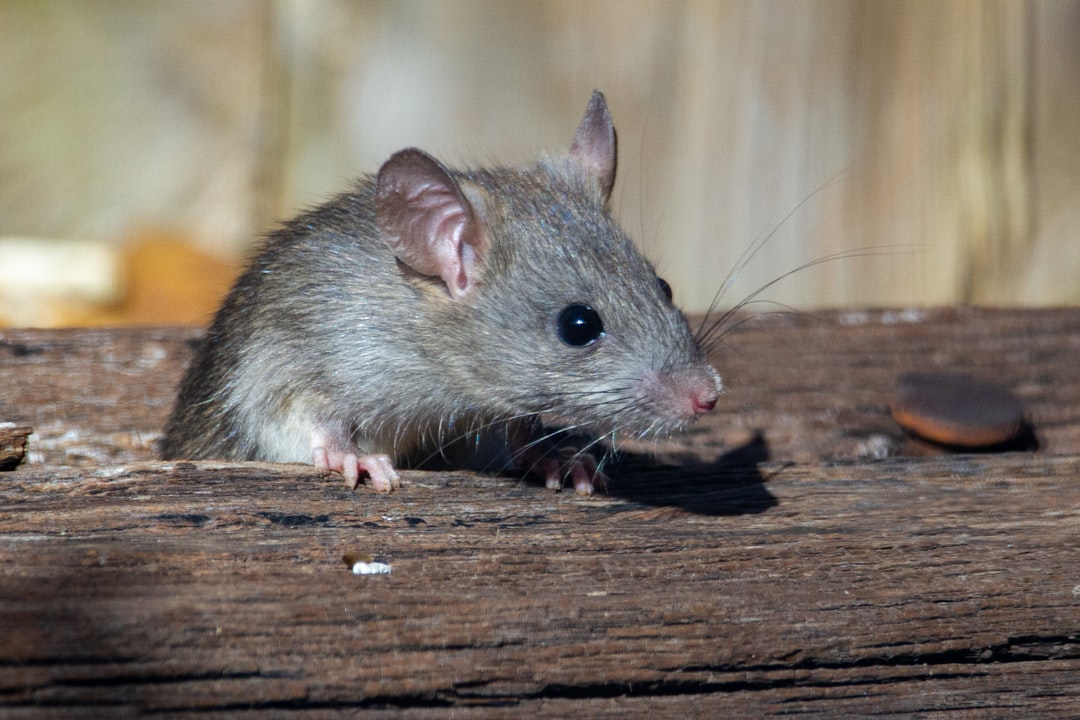
Not all sealants are created equal. A bead of caulk might stop a draft, but a rodent will chew through it in minutes. For lasting exclusion, you need hardware-grade materials. Galvanized steel mesh is my go-to for large gaps. It is tough, it does not rust, and rodents cannot bite through it. For smaller cracks, copper mesh works better than steel wool because it does not corrode and stays flexible. I have seen steel wool rust and fall out within a year, leaving the gap wide open again.
I also use sealants that are specifically formulated for pest exclusion. These stay flexible and bond to wood, brick, and metal. When you combine a good sealant with a backing of copper mesh, you get a repair that lasts for years. Vent covers should be made of metal, not plastic. I replace plastic roof vents with galvanized steel mesh that is screwed into the framing. It is more work upfront, but it stops the problem permanently.
Trapping as Part of the Plan, Not the Whole Plan
Even the best exclusion job sometimes needs a backup plan. That is where trapping techniques come in. But trapping should happen after you have sealed the structure, not before. If you trap first and seal later, you can close animals inside the walls. They die, they smell, and you have to cut open the drywall to get them out. I have had to do that more times than I like to remember.
One-way doors are a smart tool for this. You install them over an entry point so animals can leave but cannot come back in. After a few days, you remove the door and seal the gap. This method works well for squirrels and raccoons that have already taken up residence. For mice and rats, I use a combination of snap traps and live traps placed along walls where they travel. The key is to check traps daily and to wear gloves when handling them. Rodents can smell human scent, and if the traps smell like you, they will avoid them.
Integrated pest management ties all of this together. It means you do not rely on any single method. You inspect, seal, trap, monitor, and then reinspect. It is a cycle, not a one-time fix. That is why I always offer reinspection as part of any exclusion job. Six months later, I go back and check the seals, look for new gaps, and make sure the property is still tight.
The Problem with Rodenticides
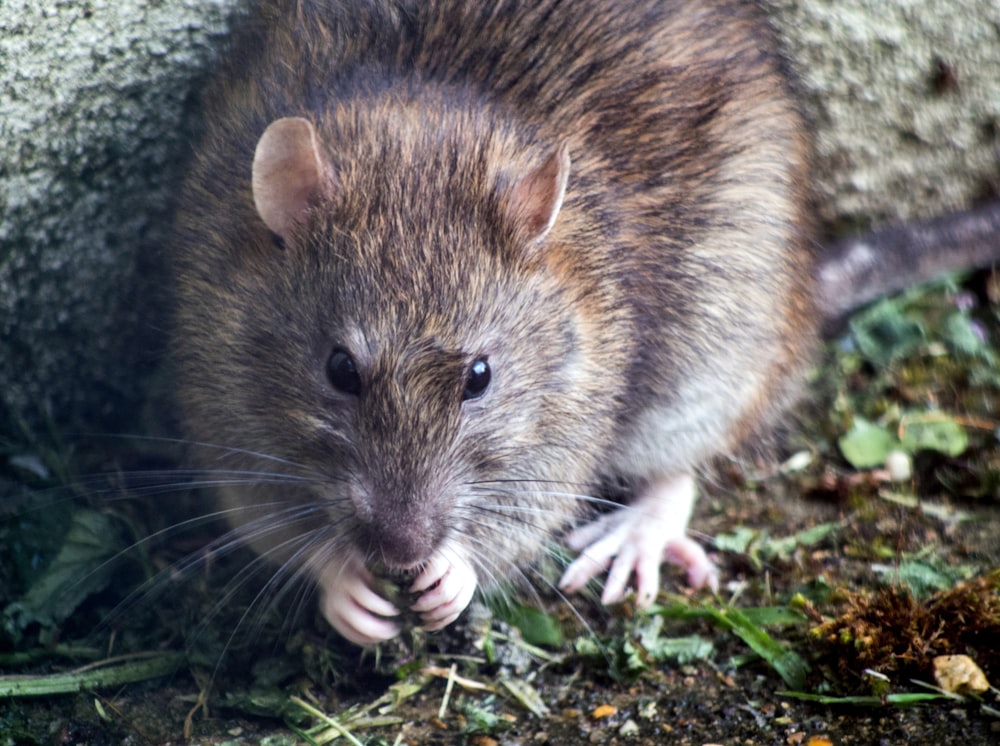
I want to be honest about rodenticides. They are sometimes necessary, but they are a last resort. Poison kills the animal slowly, and that animal often dies inside a wall or under a floorboard. The smell can last for weeks. Worse, poisoned rodents can be eaten by pets or by owls and hawks. Secondary poisoning is a real risk. In residential areas, especially where children and pets live, I always try to avoid rodenticides if I can.
Instead, I focus on exclusion and trapping. That approach is safer, more effective, and more humane. When I do use bait, I place it inside locked, tamper-resistant stations that only a professional can open. Those stations are placed along exterior walls where rodents travel, and they are checked weekly. But even then, I tell the homeowner that the bait is a tool, not a solution. The real solution is rodent proofing homes so the bait is never needed in the first place.
Practical Steps You Can Take
If you want to start rodent proofing homes yourself, here are the places to check first.
- Walk the foundation and look for any gap larger than a pencil. Seal it with copper mesh and sealant.
- Check the bottom of exterior doors. If you can see light under the door, a mouse can get in. Install a door sweep.
- Inspect roof vents and soffits. Plastic vents crack. Replace them with galvanized steel mesh.
- Look at where pipes and wires enter the house. Those holes are often forgotten and left open.
- Trim tree branches that touch the roof. Rodents use branches as bridges to reach vents and eaves.
These steps are not complicated, but they take time and patience. I use a chipping saw to cut back branches and to trim wood that has rotted near the foundation. A clean cut and a tight seal make all the difference.
Why Professional Help Matters
I have been doing this work in Cleveland, TN, for years, and I still find surprises. Every house is different. A 1950s brick home has different weak spots than a 1990s vinyl-sided house. That is why I recommend hiring a company that offers exclusion services. A professional has the tools and the knowledge to find entry points that a homeowner might miss. They also have access to materials like galvanized steel mesh and commercial-grade sealants that are not sold in hardware stores.
When I walk a property with a homeowner, I point out the soil-to-siding contact, the garage gaps, and the roof vents that need attention. I explain what I am doing and why. That education is part of the service. I want the homeowner to understand that rodent proofing homes is an investment in the structure itself. It protects the insulation, the wiring, the drywall, and the family's peace of mind.
One job I remember involved a family who had been hearing scratching in the ceiling for months. They had tried everything. When I inspected the attic, I found that the old vent covers had been installed with drywall screws that had rusted out. The gap was tiny, but big enough for a rat. I replaced the vent covers with galvanized steel mesh, sealed the edges with sealant, and set a few traps in the attic. Within a week, the scratching stopped. The family called me six months later to say they had not heard a sound since. That is what good exclusion work does.

If you live in an area with cold winters, like Cleveland, TN, rodents are looking for warmth. They will find any crack they can. That is why fall is the best time to do a thorough inspection and seal everything up. Once the weather turns cold, the animals are already inside, and you are fighting an uphill battle.
The Bottom Line
Rodent proofing homes is not a glamorous job, but it is one of the most important things a homeowner can do. It saves money on repairs, prevents health risks from droppings and urine, and keeps the family safe from the stress of living with unwanted guests. The work is straightforward: find the openings, close them with the right materials, and monitor the results. Trapping and baiting have their place, but they are secondary to exclusion.
I have seen too many people spend hundreds of dollars on traps and poison, only to have the problem come back. The ones who invest in structural repairs and professional exclusion services are the ones who sleep soundly through the winter. If you are dealing with rodents right now, start with the foundation. Look at the vents. Check the doors. And if you need help, call someone who does this every day. It is worth every penny.